September 7, 2026 · 7-min read
D&D 5e Bar Fight Rules: How to Run a Nonlethal Tavern Brawl
Chairs are flying, someone's swinging a mug like a mace, and your rogue just crit a lute. Here's how to keep it fun instead of fatal.
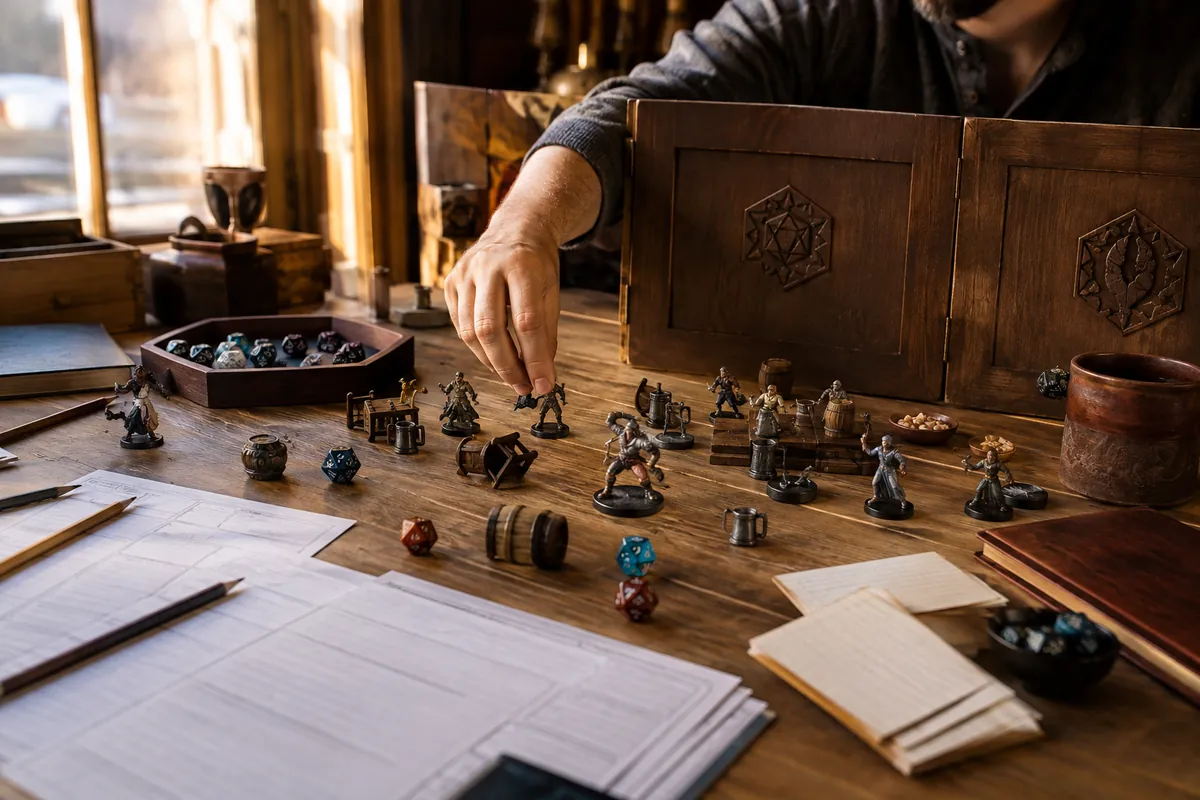
To run a bar brawl in D&D 5e, make all damage nonlethal, keep three to five NPCs fighting at a time with 4–10 hit points each, and decide before initiative what ends the scene. Done that way, a tavern fight is loud and chaotic without ever threatening a character's life, and it becomes one of the most memorable set pieces in a campaign instead of an accidental TPK.
The trouble is that standard 5e combat wasn't built for "everyone in the room starts swinging." Real weapons deal real damage, death saving throws are on the table, and a bar full of NPCs can turn a fun bit into a bloodbath fast. A few small adjustments fix that.
What are the bar brawl rules at a glance?
| Setting | What to use |
|---|---|
| Damage | Nonlethal: a creature at 0 HP falls unconscious and stable, not dying |
| Active brawlers | Three to five NPCs at once; everyone else ducks, hides or cheers |
| NPC hit points | 4–10 HP for an average patron |
| Length | Three to five rounds |
| What ends it | A named NPC calls it, half the brawlers are down, a time limit, or a social consequence |
The sections below explain each of these and give you ready-to-use improvised weapons.
What makes a bar brawl different from a normal fight?
A bar brawl is a combat encounter where the goal is spectacle and stakes, not survival. Nobody in the tavern actually wants anyone dead, including the NPCs starting it.
That changes three things at the table:
- Damage should be nonlethal by default. Punches, thrown mugs, and chair-swings don't kill.
- The scene has an environment to use. Tables, bottles, a bard's stage, a roaring fireplace.
- The stakes are social, not mortal. Reputation, coin, a night in the stocks, not a grave.
If you keep those three things in mind while you prep, most of the rules below fall into place naturally.
How do I set up a bar brawl without risking a TPK?
Start with intent, not initiative. Decide before the dice come out what actually triggers the fight (a shoved drink, an insult, a rigged card game) and what it would take to stop it.
- Declare it nonlethal up front. Tell the table plainly: "This fight is nonlethal, characters drop at 0 HP instead of rolling death saves." Players relax and start having fun the second they hear this.
- Cap the number of active combatants. Three to five NPCs swinging at once is plenty. Everyone else in the tavern ducks, hides, or cheers.
- Give NPCs low hit points. 4-10 HP for an average patron is enough to make them feel real without dragging the fight out.
- Set a natural end point. The barkeep pulls a weapon from under the counter, the guard whistle blows outside, or the last conscious brawler surrenders.
This is the same discipline you'd use prepping any fight: know your numbers before you improvise the flavor. If you want a refresher on right-sizing a fight's difficulty in general, Building Your First Balanced Encounter covers the fundamentals that still apply here, just scaled down and reflavored.
What house rules keep the fight from turning deadly?
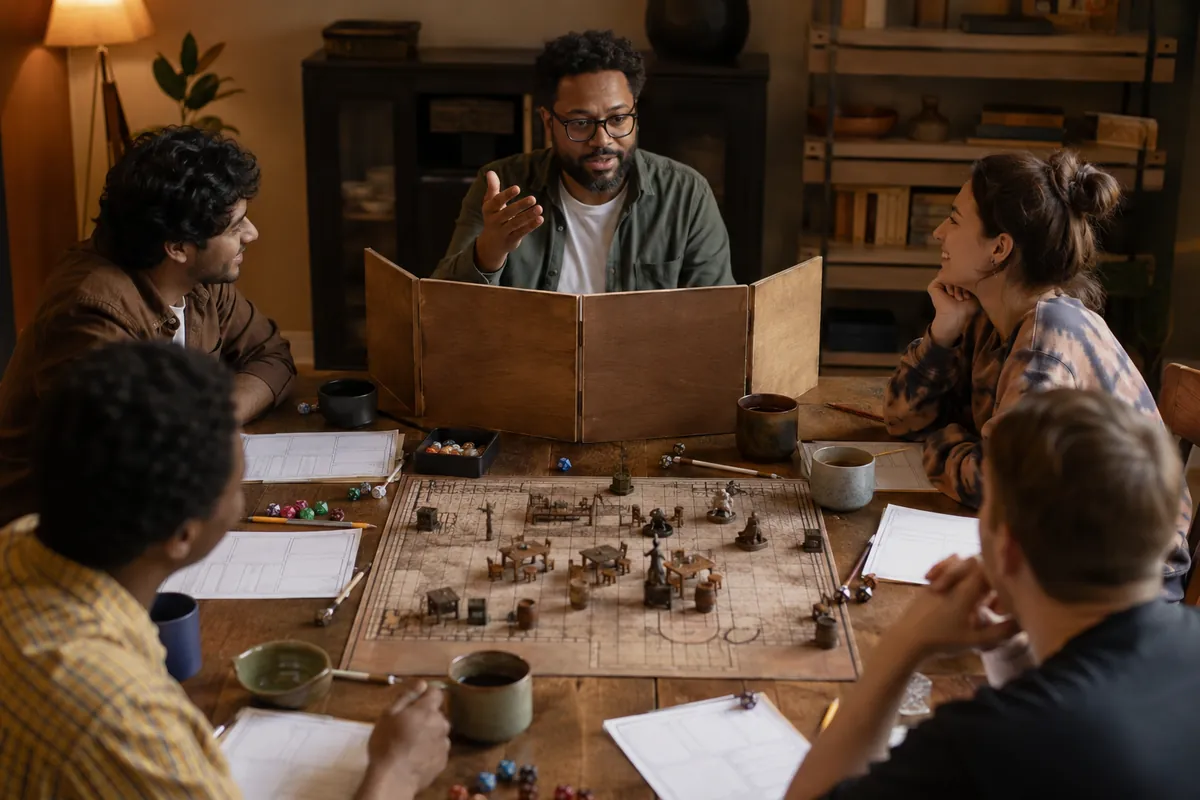
You don't need a new subsystem, just a couple of table-wide agreements laid out before the first punch.
- All damage from mundane weapons and improvised objects (mugs, chairs, bottles, fists) is nonlethal. A creature reduced to 0 HP this way falls unconscious, not dying, and stabilizes automatically after the scene ends.
- Real weapons stay sheathed, or the DM narrates a de-escalation. If a player draws a longsword, have an NPC shout "steel comes out, everybody's dead" and let the crowd pull the weapon-wielder back. This keeps the fiction consistent with the stakes you promised.
- Spells get reflavored, not banned. A player who wants to cast Shocking Grasp can instead describe a haymaker with sparks for flair; mechanically it still deals nonlethal damage for this scene only.
- Grappling and shoving are the stars of the show. Bar brawls are made of pins, trips, and shoves into tables, not sword strikes. If your table wants a refresher on how grappled, prone, and restrained actually function, D&D 5e Conditions Explained is worth having open at the table.
These are simple enough to explain in thirty seconds and specific enough that nobody has to guess what's allowed mid-fight.
How do I handle mugs, chairs, and thrown furniture?
Improvised weapons are half the fun of a brawl, and 5e already gives you a clean baseline: an improvised weapon that resembles a weapon you're proficient with uses that weapon's damage die, otherwise it deals 1d4 damage. Keep every one of these nonlethal for the scene.
A few ready-to-use options for your table:
- Thrown mug or bottle: 1d4 nonlethal damage, ranged attack, disadvantage beyond 20 feet.
- Swung chair or stool: 1d6 nonlethal damage, and on a hit you can choose to knock the target prone instead of dealing damage.
- Shove across a table: an Athletics (or Acrobatics) contest; losing the contest means you're prone and the table's now wreckage.
- Grab the tablecloth/rug: Dexterity save or fall prone, great for a low-level character who wants to contribute without swinging.
Let players describe their own improvised weapons too. If someone wants to break a bottle over the bar for a "sharper" hit, that's a great moment to remind them the scene is staying nonlethal, no matter how sharp the prop sounds.
What should actually end the brawl?
Every bar brawl needs a clear off-ramp, decided before you start rolling initiative. Pick one and telegraph it early in the scene so players know what they're working toward.
- A named NPC calls it. The barkeep fires a warning shot, a bouncer wades in, or a noble at the corner table stands up and everyone freezes.
- A conscious/unconscious threshold. Once half the brawlers are down, the rest scatter.
- A time limit. Three rounds, then the city watch arrives and everyone bolts before questions get asked.
- A social consequence beat. The losing side owes the bar for damages, gets banned, or has to buy the next round for the whole room.
That last option is often the most satisfying, because it turns the fight's aftermath into roleplay instead of just a stat reset. It also gives you a hook for the next session: a debt owed, a reputation earned, a rival made.
How do I keep the fight fast at the table?
A brawl that drags loses its energy fast. Keep turns snappy by asking players for one clear action and letting the fiction fill in the rest, rather than tracking every mug's trajectory.
If your table's turns tend to run long in normal combat too, How Long Should a D&D Turn Take? Speeding Up Combat has concrete habits that carry over directly to a brawl, since the goal in both cases is momentum over precision.
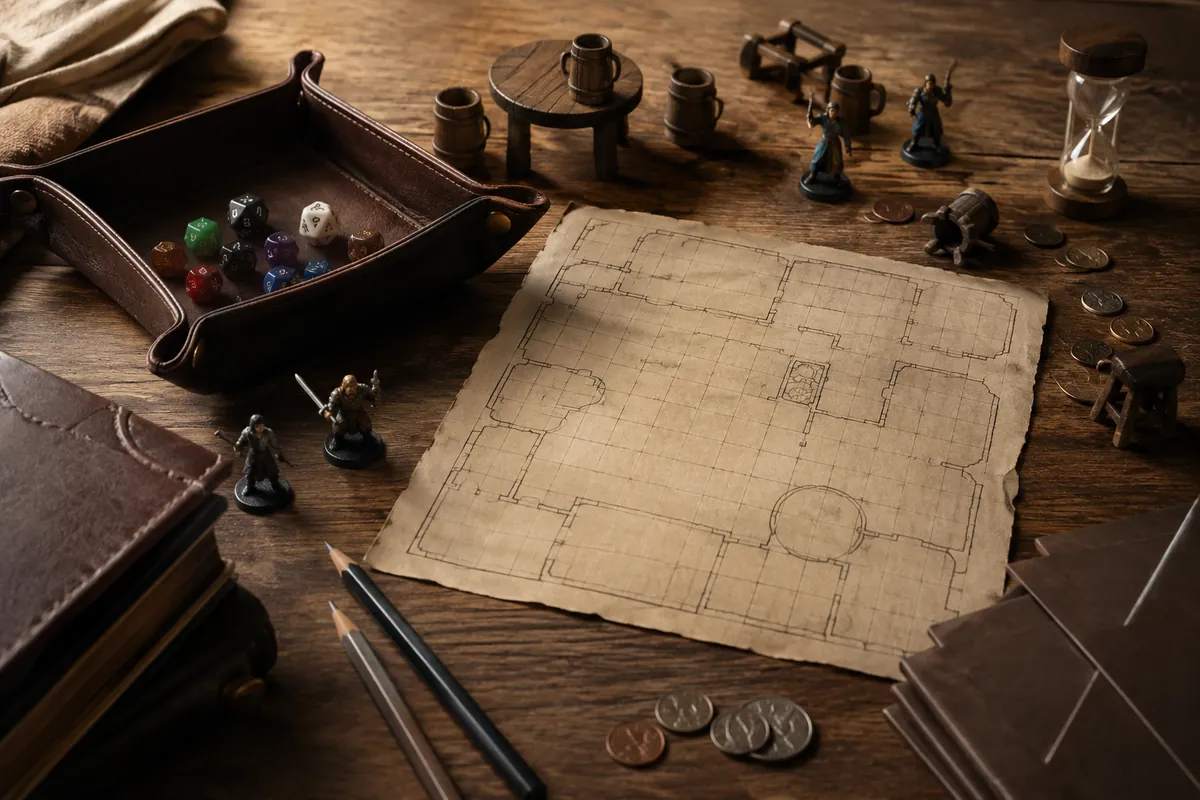
A tavern scene also gives you a natural excuse to lean on props. Having a menu of drinks, food, and house specials on hand makes it easier to improvise what's flying across the room and what the bar owner is furious about losing. If you run tavern scenes often, our DnD Tavern Menu Printable is built for exactly that: a ready, flavorful menu you can drop in front of players before things go sideways. It's a small prop, but it grounds the scene fast. You'll find more table tools like it over in the shop if you want to build out your tavern kit further.
Run it nonlethal, keep the stakes social, give the room a few props to swing, and set a clear ending before you start. That's the whole formula, and it's enough to make a bar brawl one of the sessions your table still talks about months later.
Parchment & Dice is not affiliated with Wizards of the Coast. Rules content here draws on the SRD 5.1.
Frequently asked questions
- Can you die in a D&D bar brawl?
- Only if you let it. Most tables run bar brawls entirely on nonlethal damage, which means characters drop unconscious at 0 hit points instead of risking death saving throws, so nobody actually dies over a spilled drink.
- Do spells work in a tavern brawl?
- Yes, but many DMs ask players to reflavor damaging spells as shoves, tackles, or crowd control rather than fireballs, since a real spell going off usually escalates the scene into an actual fight instead of a brawl.
- How long should a bar brawl encounter last?
- Three to five rounds is the sweet spot. Long enough for a few good moments, short enough that it stays a fun set piece instead of dragging into full combat bookkeeping.
- What happens if a player rolls a natural 20 in a brawl?
- Treat it as a big narrative beat rather than a lethal blow: knock someone through a table, send a mug spinning across the room, or draw a laugh from the crowd, since the fun of a crit here is spectacle, not damage.
- Should I use real monster stat blocks for brawl NPCs?
- No, use simplified stats with low hit points and nonlethal-only attacks. Full stat blocks add math your table does not need and can accidentally make a bar patron as dangerous as a real threat.
- How does unarmed damage work in a D&D bar brawl?
- An unarmed strike deals 1 plus the attacker's Strength modifier in bludgeoning damage, and a melee attacker who reduces a creature to 0 hit points can choose to knock it out instead of killing it: the creature falls unconscious and is stable. Both rules come from the SRD and fit a nonlethal brawl without any new subsystem.
- How do I stop a bar brawl from turning into a real fight?
- Declare the scene nonlethal before anyone rolls, keep real weapons sheathed (or have the crowd pull a drawn blade back), reflavor damaging spells as haymakers, and tell the table what will end the scene before initiative starts.
- dnd 5e
- combat
- encounter design
- tavern
- dungeon master tips
- homebrew rules
Related reading
- How to Memorize a Spell List Without Flipping Pages Mid-CombatLearn how to remember spells in dnd without looking them up, using grouping, repetition, and table-ready cards instead of flipping the Player's Handbook.
- How to Build a D&D Encounter with a Mimic Players Won't See ComingGet dnd mimic encounter ideas that actually surprise your table, from disguise choices to pacing tricks that keep players from metagaming the chest.
- How to Divide Spell Slots Across a Long Rest D&D DayLearn how to manage spell slots in D&D by budgeting them across an adventuring day instead of spending them all in the first fight.