August 31, 2026 · 7-min read
How Much XP to Level Up in D&D 5e? Levels 1–20 Table
The XP math looks scarier than it is, once you see the one trick that makes it click.
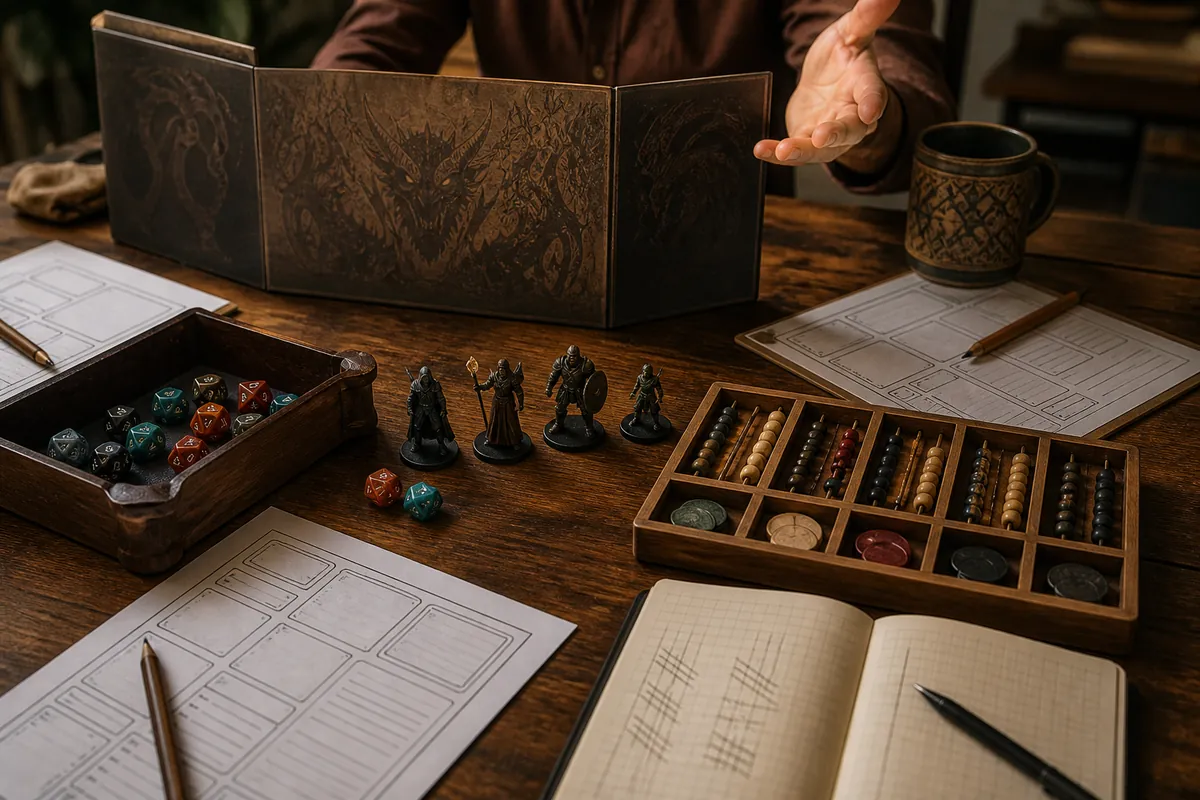
A D&D 5e character needs 300 XP in total to reach level 2, 6,500 XP to reach level 5, 64,000 XP to reach level 10 and 355,000 XP to reach level 20. Every party member needs the same amount, because in the standard rules the XP from an encounter is divided evenly among all characters, not handed out per kill or per action. So the real question isn't "how much XP does each player need," it's "how much total XP has the party earned, divided by how many people were there."
That single idea trips up more new DMs than anything else in the XP system. Let's break down exactly how the math works, how to divide it at the table, and how to know when someone's actually ready to level up.
How much total XP does the party need to level up?
Every character level in 5e has a cumulative XP threshold, meaning the total XP a character needs to have earned since level 1 to reach that level. It's not "XP needed for this level," it's "XP needed overall."
Here are the thresholds from the SRD (5e rules, 2014 edition), levels 1 to 20. Read across: the middle column is the total a character needs to be that level, and the last column is the gap to the next one.
| Level | Total XP needed | XP to next level |
|---|---|---|
| 1 | 0 | 300 |
| 2 | 300 | 600 |
| 3 | 900 | 1,800 |
| 4 | 2,700 | 3,800 |
| 5 | 6,500 | 7,500 |
| 6 | 14,000 | 9,000 |
| 7 | 23,000 | 11,000 |
| 8 | 34,000 | 14,000 |
| 9 | 48,000 | 16,000 |
| 10 | 64,000 | 21,000 |
| 11 | 85,000 | 15,000 |
| 12 | 100,000 | 20,000 |
| 13 | 120,000 | 20,000 |
| 14 | 140,000 | 25,000 |
| 15 | 165,000 | 30,000 |
| 16 | 195,000 | 30,000 |
| 17 | 225,000 | 40,000 |
| 18 | 265,000 | 40,000 |
| 19 | 305,000 | 50,000 |
| 20 | 355,000 | — |
Notice the gaps mostly widen fast (level 11 is the one dip). Going from level 1 to 2 takes just 300 XP, but going from level 9 to 10 takes 16,000 XP on its own, and the last jump to level 20 takes 50,000. That's by design, it keeps early levels quick and exciting while slowing the grind as characters get more powerful.
Every character in the party tracks against this same scale individually, using their own running XP total, even though they usually earn XP at the same rate as everyone else.
How do I split encounter XP across the party?
This is the part that actually determines how much XP lands on each character sheet. Here's the process:
- Add up the total XP value of every monster in the encounter. Each monster's stat block lists an XP value based on its challenge rating.
- Divide that total by the number of characters in the party. Not the number of players present that day if you're tracking cumulative totals for absent members too, just decide on a rule and stay consistent.
- Add that per-character share to each character's running XP total.
Monster XP comes from its challenge rating (CR). These are the values you will use most at low levels:
| Challenge rating | XP per monster |
|---|---|
| 1/8 | 25 |
| 1/4 | 50 |
| 1/2 | 100 |
| 1 | 200 |
| 2 | 450 |
| 3 | 700 |
| 4 | 1,100 |
| 5 | 1,800 |
For example, if your party of four fights two goblins (50 XP each) and a goblin boss (200 XP), the encounter totals 300 XP. Divide by four characters, and each one earns 75 XP toward their next level. At that rate a brand-new party of four needs four encounters like that one to reach level 2.
A few practical notes on splitting:
- Non-combat XP (traps disarmed, puzzles solved, social encounters talked through) gets divided the same way, total value split evenly.
- If you use milestone-adjacent house rules like bonus XP for good roleplay, keep that separate from the core encounter math so you don't lose track of your baseline.
- If a party member drops out of the fight early (they flee, get knocked unconscious, whatever), most tables still give them a full share. It keeps bookkeeping simple and avoids punishing bad luck.
If you're not confident your encounters are even worth the XP you're assigning, it helps to first nail down how to read a D&D encounter's difficulty before you run it, since a miscalibrated encounter throws off your whole XP curve for the session.
What if characters have different starting XP totals?
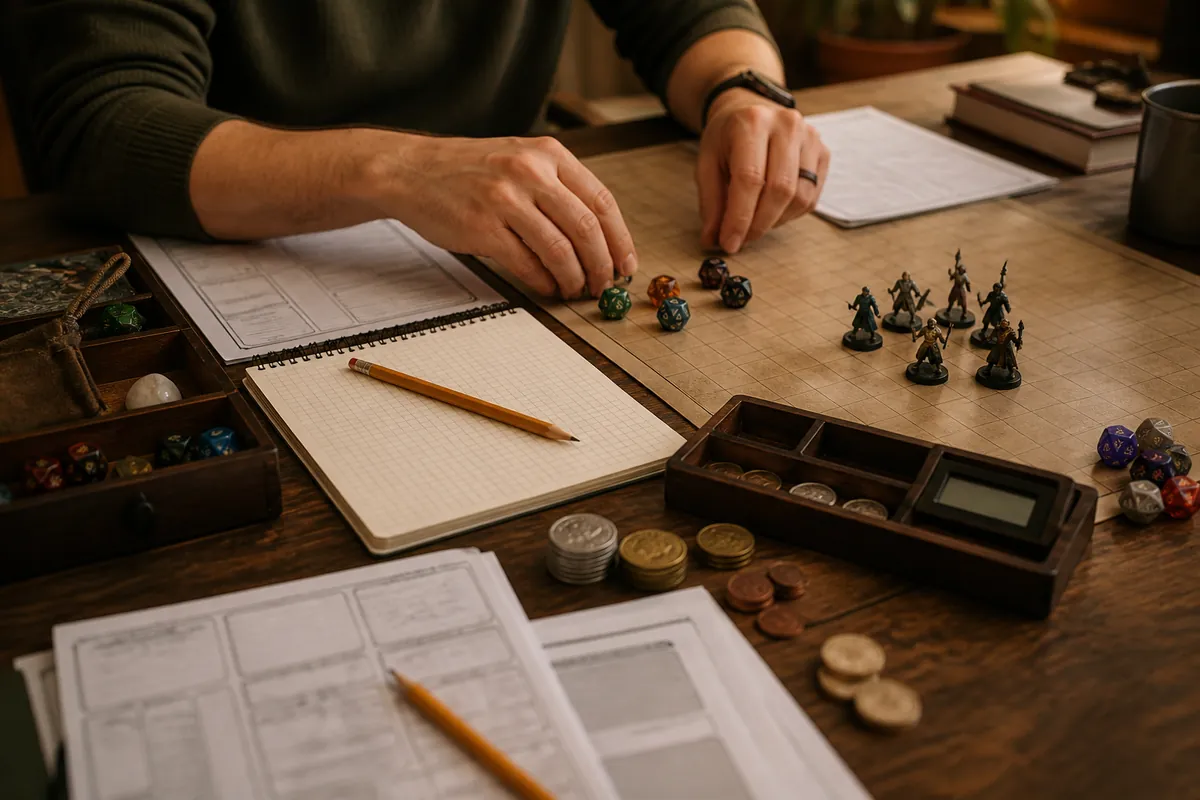
This happens more than you'd think, a new player joins mid-campaign, someone missed three sessions, or you're merging two groups into one party. You've got three common approaches:
- Level them up to match. Simplest option, just set the new or absent character's level and XP total to match the party average. Nobody feels behind, and you don't have to track two separate scales.
- Give catch-up XP bonuses. Award the lagging character extra XP per session (say, 1.5x their normal share) until they close the gap naturally.
- Let the gap ride. Some tables are fine with a one-level spread across the party. It rarely breaks the game at low levels, though it becomes more noticeable at higher tiers where the power difference per level is bigger.
Whichever you pick, write it down somewhere the whole table can see. Ambiguity here is what causes arguments three sessions later about who "should" be level 5.
Should I use XP tracking or milestone leveling instead?
Both are valid, and it's worth being honest with yourself about which one actually fits how you run games.
XP tracking works well when:
- Your players enjoy watching numbers climb and want tangible proof their choices mattered.
- You run a lot of side content, exploration, and optional fights that deserve mechanical reward.
- You don't mind the extra bookkeeping between sessions.
Milestone leveling works well when:
- You're running a tighter, story-driven campaign and want level-ups to land at specific narrative beats.
- Your prep time is limited and you'd rather not tally XP after every session.
- Your party includes newer players who find the math distracting from the roleplay.
Neither approach is more "correct." A lot of experienced DMs use a hybrid: rough milestone pacing for the main story, with the occasional XP-based bonus for a big optional dungeon or a boss fight nobody expected to survive.
How do I keep XP tracking from becoming a chore?
The honest answer is that most DMs who quit tracking XP don't quit because the math is hard, they quit because it's tedious to redo every session. A few habits fix that:
- Tally encounter XP right after the session while it's fresh, not two weeks later when you've forgotten which goblins showed up.
- Keep a running per-character total in one place, whether that's a shared doc, a spreadsheet, or a printed sheet at the table.
- Note loot alongside XP in the same place. The two tend to get reviewed together anyway, especially when players ask "wait, what level are we and what did we actually find in that room?"
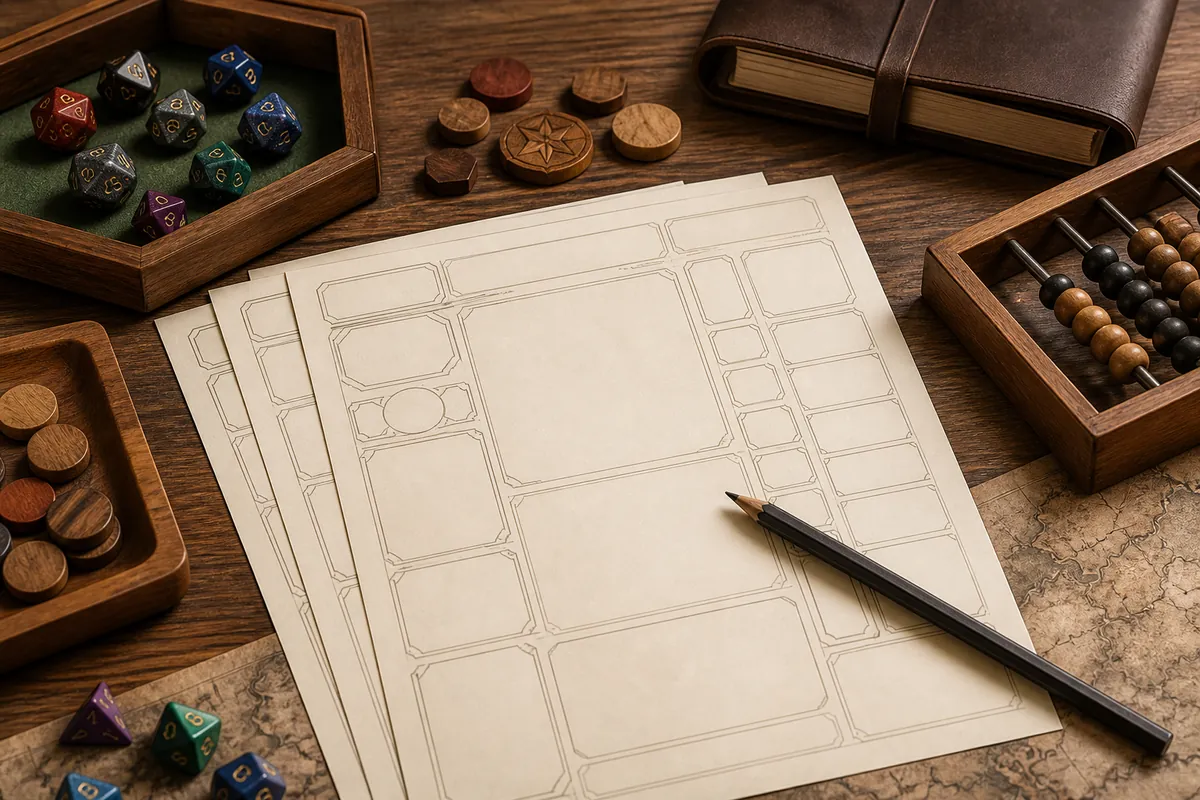
That's really the gap a lot of tables run into: XP and loot both matter session to session, but they live in different notebooks, different apps, or nobody's memory. If that sounds familiar, the DnD Encounter and Loot Tracker Printable is built for exactly this, one sheet per encounter with space for monster XP, per-character shares, and loot notes, so the tally is sitting right there instead of scattered across old session notes.
You can browse the rest of the printable shop if you're after other table tools, and once your party's leveling up on schedule, it's worth revisiting how to build a homebrew magic item without breaking your game so their new levels come with rewards that actually fit.
This site is not affiliated with Wizards of the Coast. Game content referenced here is drawn from the D&D 5th Edition SRD 5.1.
Frequently asked questions
- Does every player get the same amount of XP from an encounter?
- Yes, in the default 5e rules each character in the party receives the same share of the total XP awarded for a monster or encounter, regardless of what they individually did in the fight. Some DMs hand out small individual bonuses for clever play, but that is a house rule, not the baseline.
- What happens if a character misses a session? Do they still get XP?
- Most tables award the absent player the same XP as everyone else so nobody falls behind on level, then handle the narrative gap however fits the story. Some DMs instead give a partial share; either way, pick one method and stick with it so the party does not drift too far apart in level.
- Is milestone leveling better than XP tracking?
- Neither is objectively better, they solve different problems. Milestone leveling saves prep time and keeps pacing tied to the story, while XP tracking rewards exploration and combat effort and gives players a tangible sense of progress session to session.
- Can I just skip the math and eyeball when the party levels up?
- You can, plenty of long-running tables do exactly that, but if your players like seeing numbers go up, even a rough XP tally beats no tracking at all. A shared spreadsheet or a printed tracker takes the guesswork out of it without much extra work.
- How much XP do you need to reach level 5 in D&D 5e?
- A character needs 6,500 XP in total to reach level 5. That is the running total since level 1, not 6,500 on top of what they already have.
- How much XP do you need to reach level 20 in D&D 5e?
- 355,000 XP in total. The last jump alone, from level 19 at 305,000 XP, takes 50,000 more.
- Do higher-level characters need more XP for each new level?
- Yes, the XP cost between levels grows substantially as characters get higher level. Early levels can be crossed in a session or two, while the jump from level 15 to 16, for example, requires tens of thousands more XP than the jump from level 1 to 2.
- dnd 5e
- dm guides
- xp
- leveling up
- experience points
- encounter building
Related reading
- How to Divide Spell Slots Across a Long Rest D&D DayLearn how to manage spell slots in D&D by budgeting them across an adventuring day instead of spending them all in the first fight.
- How to Make a D&D Magic Item Feel Legendary, Not Just UsefulLearn how to make DnD magic items feel special with sensory detail, personality, and history instead of just stat bonuses.
- How to Split Loot in D&D 5e Without Party ArgumentsLearn how to split loot in dnd 5e with equal coin shares, fair magic item claims, and a simple system for tracking shared party treasure.