October 14, 2026 · 7-min read
How to Make a D&D Magic Item Feel Legendary, Not Just Useful
A +1 sword is a line on a character sheet. A legendary item is a story your players tell years later.
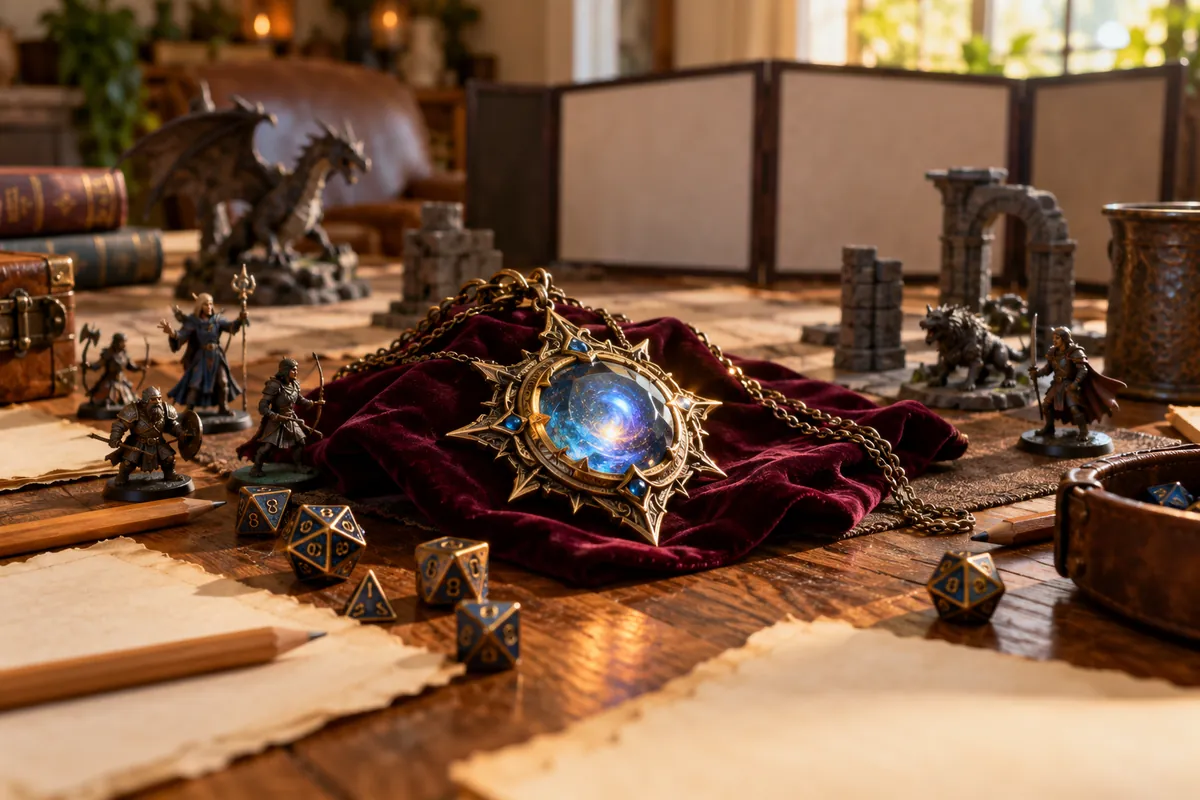
An item feels legendary when players remember a moment attached to it, not just a modifier on their character sheet. You get there with sensory detail, a point of origin, and a personality quirk, layered on top of mechanics that are already balanced.
That last part matters. If you haven't nailed down the numbers yet, sort that out first with our guide on how to build a homebrew magic item without breaking your game. This post picks up where that one leaves off, once the math is settled and you want the item to actually land at the table.
Why do magic items feel flat at the table?
Most magic items feel flat because they're introduced the same way every time: found in a chest, identified, bonus applied, moved on. There's no texture, no moment, no reason to care.
Players are pattern-matching machines. If every +1 longsword is delivered the same way as the last one, their brains file it under "inventory," not "memory." Flatness isn't a mechanics problem, it's a presentation problem.
The fix is to break the pattern at least once per item that matters. You don't need to overhaul every piece of loot, just the ones you want remembered.
How do I write flavor text that actually lands?
Good flavor text does three things in two or three sentences: it gives the item a sensory hook, implies a history, and hints at personality. Skip the mechanical recap entirely; the stat block already covers that.
Try this structure:
- One sensory detail. What does it look, sound, smell, or feel like when used? A warhammer that rings like a tuning fork. A cloak that smells faintly of woodsmoke no matter how often it's washed.
- One implied history. Who made it, who carried it, or what it survived? You don't need the full story, just a thread the players can pull.
- One quirk. Does it hum near danger? Does it refuse to be sheathed while its wielder is lying? Small behaviors do more work than long paragraphs.
Here's a quick before-and-after:
- Flat: "A +1 shortsword. Deals an extra 1 point of damage."
- Legendary-ish: "The blade is nicked along one edge, as if it's been thrown and caught a thousand times. When you draw it, it's always a little warmer than the air around it, like it just came out of a forge that was never lit."
Nothing there changes the math. It just gives players something to picture and repeat back to you three sessions later.
What should a magic item's history include?
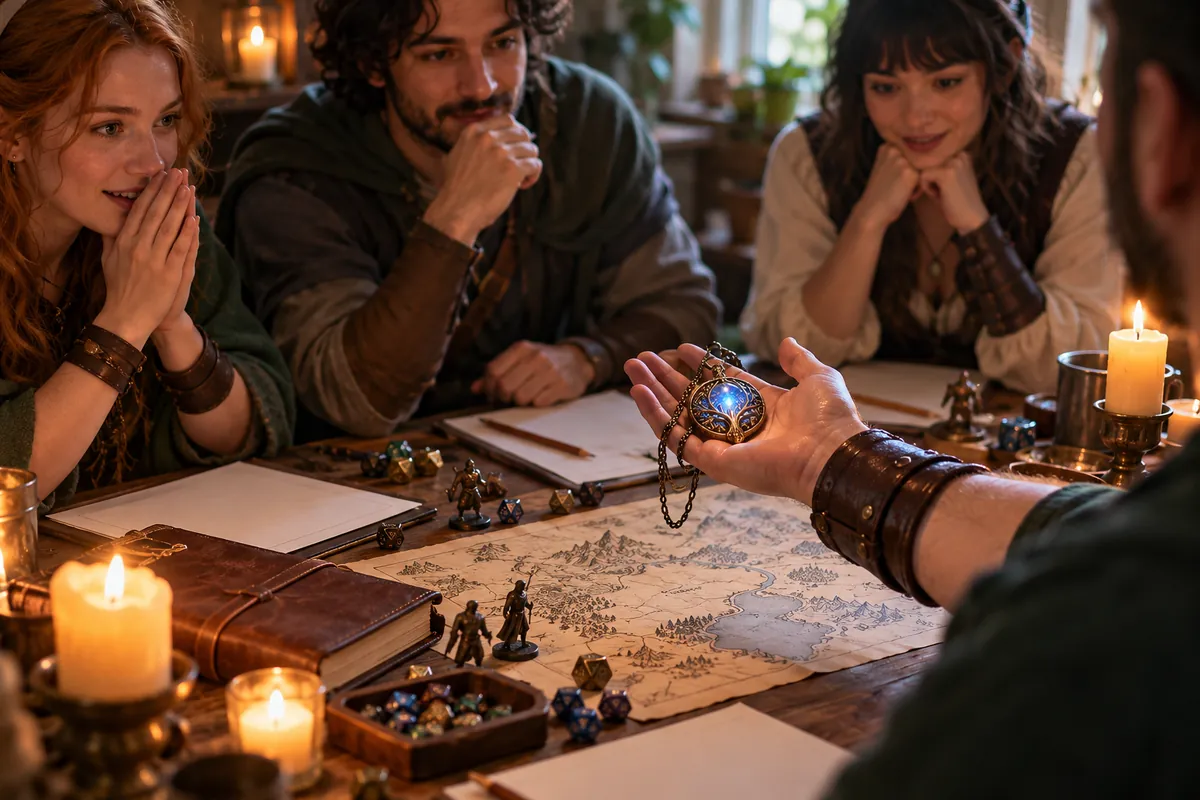
A history doesn't need to be long, but it should answer three quiet questions that players tend to ask without realizing it: who made this, why does it still exist, and why is it here now?
A workable mini-history checklist:
- Origin: A person, culture, or event tied to its creation. One sentence is enough.
- Gap: Something that explains why it's been lost, hidden, or forgotten until the party found it.
- Reason it surfaced now: A tomb was disturbed, a war ended, a bloodline died out. This ties the item to your current plot instead of floating in a vacuum.
You don't have to tell players all of this up front. Drip it out through an NPC who recognizes the item, a faded inscription, or a dream sequence. Letting them discover history instead of reading it off a card is almost always more memorable, and it gives you a built-in hook for a future session.
If the item belonged to a notable figure in your world, this is also a good place to lean on your NPC work. Our post on making NPCs your players actually remember has useful overlap here, since an item's legend is often really just an NPC's legend in object form.
How do I give an item personality without full sentience?
Full sentience (per the SRD guidelines) is a commitment: alignment, communication, a will score, the works. Most items don't need that level of mechanical overhead to feel alive. You can fake 80% of the effect with behavior alone.
Ways to imply personality without building a sentient item:
- Reaction to context, not conversation. The item grows warm around undead, or its gem dims when its wielder lies. No dialogue required.
- A consistent physical tell. It always lands blade-down when dropped. It never tangles, no matter how it's stored.
- A preference, stated once. An NPC who once owned it mentions, "She never liked being drawn indoors." The players will test that claim themselves.
These small, consistent details read as personality because our brains assume consistency implies intent. You get the flavor of sentience without tracking a second character's motivations.
When should I reveal the item's full significance?
Timing does more for "legendary" than any paragraph of lore. The best reveals happen in one of three windows:
- At the moment of discovery, through environment rather than exposition. The item is resting on the chest of a knight who died mid-prayer, not sitting in a generic pile of gold.
- Mid-use, the first time it matters, when its quirk or history becomes relevant in the moment rather than being explained beforehand.
- Later, through a third party, when an NPC gasps, goes quiet, or asks where the party got "that." This retroactively upgrades everything the players already assumed about the item.
Avoid dumping full backstory the second an item is identified. Spread the reveal across sessions, the same way you'd pace a villain's reveal. If you want a parallel approach for antagonists, see how to write a villain your players will love to hate for similar pacing logic.
What are common mistakes that undercut a legendary item?
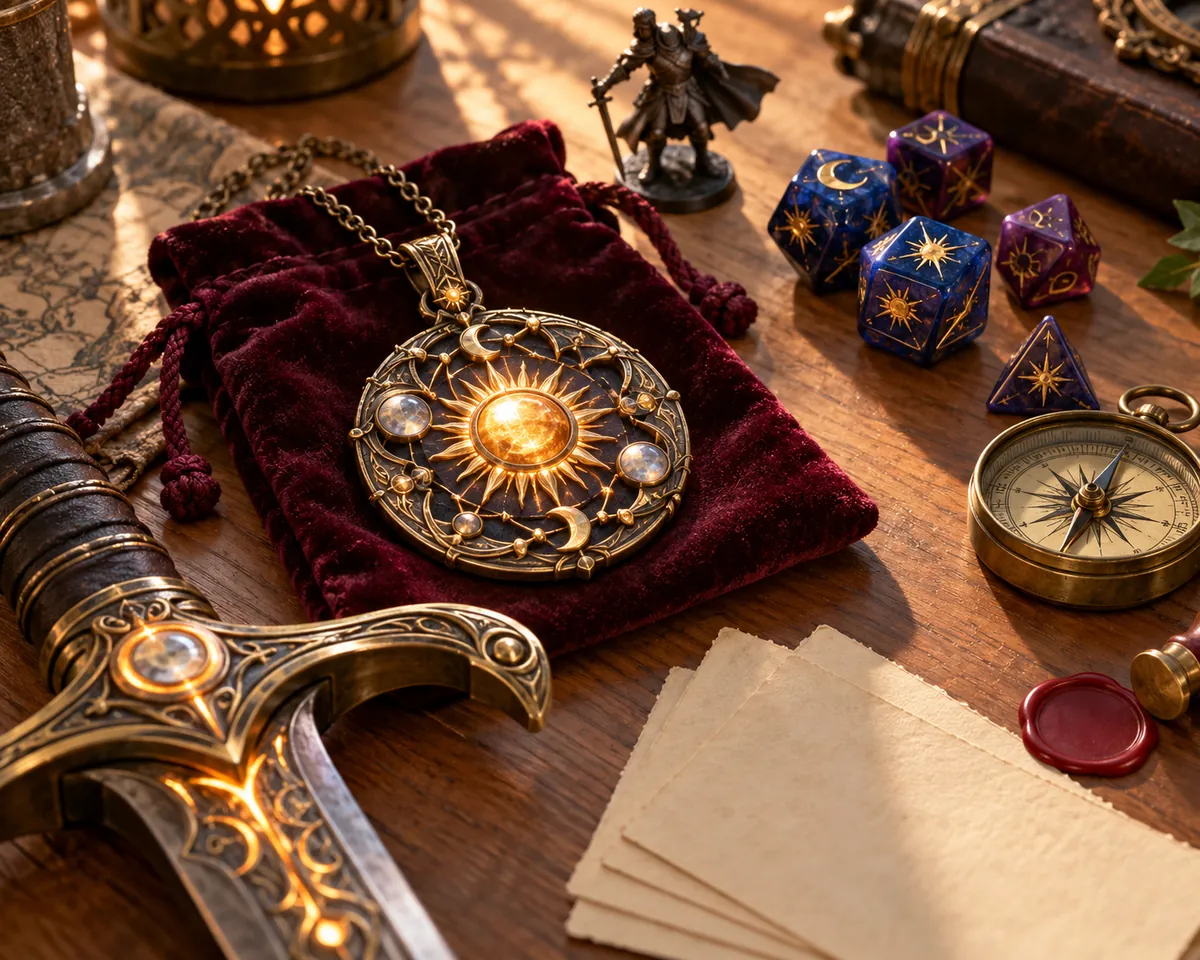
A few habits quietly flatten even well-designed items:
- Over-explaining at the table. If you narrate every property in full the moment it's found, there's nothing left to discover.
- Making every item legendary. If everything gets a backstory and a quirk, nothing stands out. Save the full treatment for items meant to stick around.
- Ignoring the item after the big reveal. A sword that gets a dramatic introduction and then never comes up again just becomes a +1 sword with extra steps. Bring its quirks back occasionally.
- Forgetting the players' plans for it. Sometimes the party names the item themselves, or builds a ritual around using it. Let that stick, even if it wasn't your original idea.
How do I keep track of an item's lore during play?
Even a great backstory is useless if you can't recall it three sessions later when it matters. Keep a short note per significant item, just a sensory detail, the one-line history, and the reveal you're saving for later, somewhere you'll actually see it mid-session.
This is also where it helps to have the item's full card in front of you, rather than buried in a notes app. If you're building out a batch of items for an arc or a vault encounter, the Blank DnD Magic Item Cards Printable gives you a dedicated spot to jot flavor text, history, and quirks right alongside the mechanics, so the legend travels with the item instead of staying locked in your head. It's a small thing, but it keeps the detail consistent across sessions instead of improvised fresh each time.
For more printable tools built for the table, the full shop has sheets, cards, and DM packs worth a browse.
This post isn't affiliated with Wizards of the Coast and draws only on SRD 5.1 content and general design principles, not published campaign setting material.
Frequently asked questions
- How do I make a magic item feel special without changing its stats?
- Add sensory detail, a point of origin, and a quirk of personality or behavior. Players remember how an item looks, sounds, and reacts far more than its numerical bonus.
- Should every magic item in my campaign have a backstory?
- No. Save deep lore for items the party will keep long-term, like a signature weapon or a quest reward. Minor consumables and loot-pile filler can stay simple.
- What's a quick way to make a generic +1 weapon memorable?
- Give it one unusual sensory trait, such as a faint hum, a cold grip, or a name etched by a previous owner, and reveal it during the moment the item is found rather than after combat.
- Can roleplay alone make an item feel legendary, or do I need new mechanics?
- Roleplay and narrative framing do most of the work. You only need new mechanics, like a sentience or a minor drawback, when the item is meant to be a long-term character companion.
- magic items
- worldbuilding
- dungeon master tips
- dnd 5e
- homebrew
Related reading
- How to Split Loot in D&D 5e Without Party ArgumentsLearn how to split loot in dnd 5e with equal coin shares, fair magic item claims, and a simple system for tracking shared party treasure.
- How to Assign Stat Blocks to a City NPC in MinutesA fast method for picking a dnd npc stat block for city encounters, using SRD monsters as reskinned stand-ins so you never stall a scene.
- How to Build a D&D NPC Generator TableBuild a D&D NPC generator table that gives you quick names, motives, mannerisms, and useful hooks during play.