July 24, 2026 · 8-min read
How to Read a Room: Improvising When Players Go Off-Script
Your players just walked away from the plot. Here's how to keep the game alive without a script.
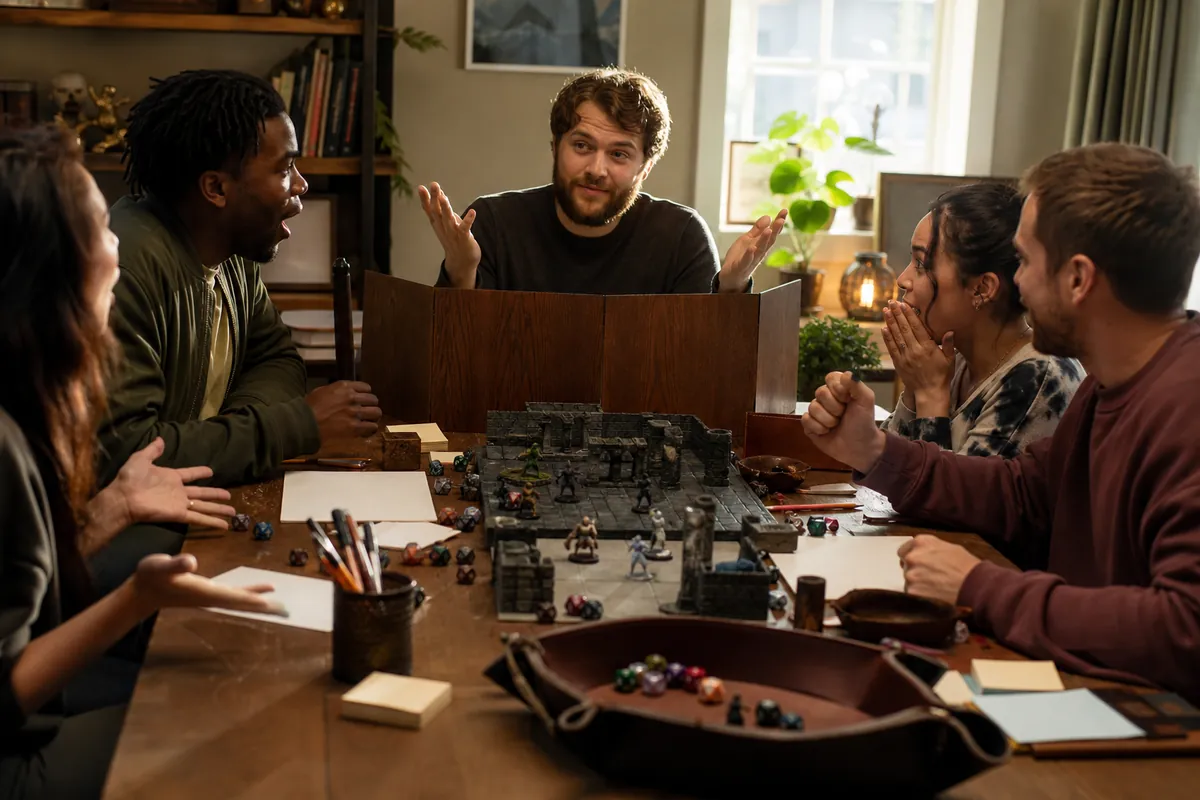
You improvise as a dungeon master by having a toolkit ready before you need it: a few reusable NPC motives, a "yes, and" mindset, and a habit of turning any player idea into a new obstacle or hook rather than blocking it. The goal isn't to predict everything your players might do — it's to react fast enough that they never see the seams.
Every DM hits this moment. You planned a tense negotiation with the baron, and your players decided to climb through his window instead. Or the "throwaway" tavern keeper you named on the spot is now the party's favorite NPC and nobody can remember why. Improvising well is less about creativity and more about having a system so you're never starting from zero.
What does it mean to improvise as a DM?
Improvising means running the game in real time when players do something you didn't prep for. It doesn't mean making up the entire world from scratch every time.
Most improv at the table is really just applying prep you already have to a new situation:
- Reusing a stat block for a monster that wasn't supposed to show up yet
- Giving an unplanned NPC a motive borrowed from your notes on a similar character
- Turning a player's guess about the plot into the actual plot, because it's better than what you had
Good improvisation leans on structure, not blank-page invention. The less you have to build from nothing, the smoother it feels.
Why do players go off-script in the first place?
Players go off-script because they're treating the world as real, not because they're trying to break your session. Common triggers include:
- They found a solution you didn't consider, like bribing a guard instead of fighting him
- They got bored with the pace you set and created their own momentum
- They misread a clue and are now pursuing a lead that doesn't exist
- They just want to explore a corner of the map you didn't detail
None of these are problems to shut down. They're signals that your players are engaged enough to make choices, which is the whole point of running a tabletop game instead of reading them a story.
How do I read the room mid-session?
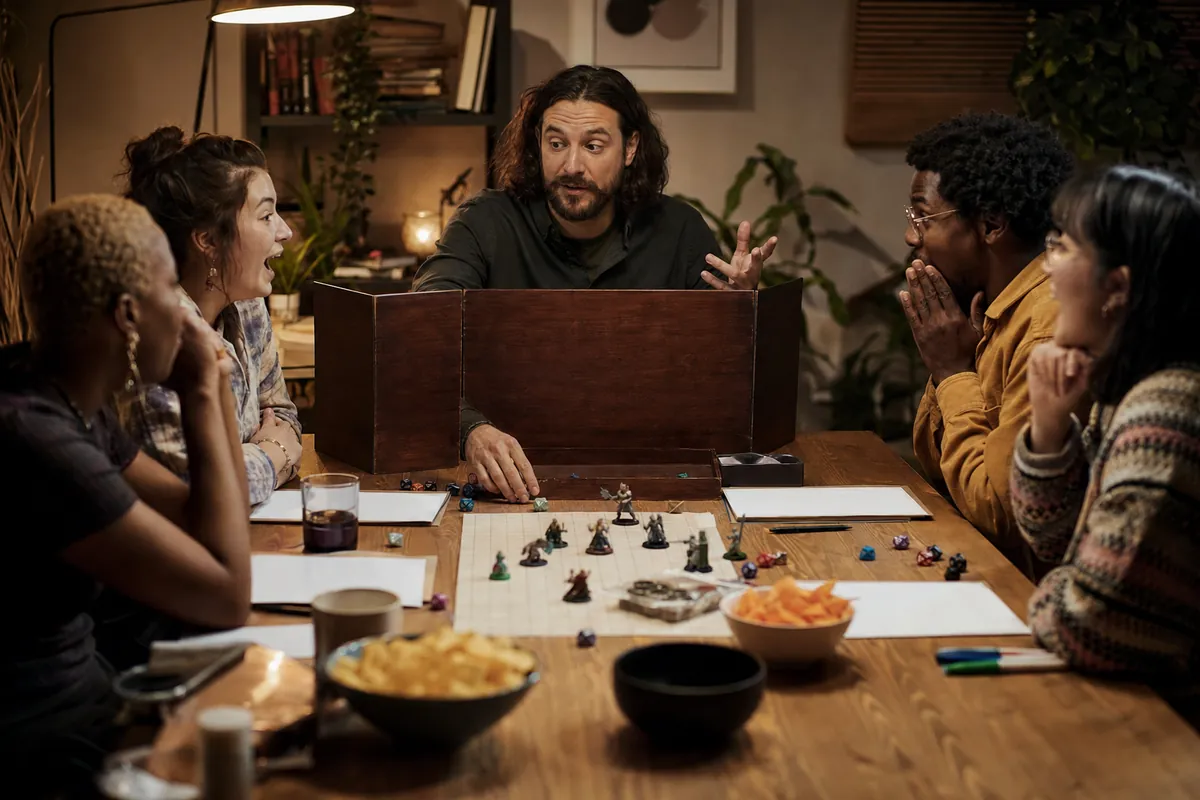
Reading the room means checking in on energy, not just plot direction. Watch for these signs:
- Leaning in vs. checking phones — if attention is dropping, the current scene has run too long
- Fast, excited talk — players are hooked on an idea; let them run with it instead of steering back
- Confused silence — they've lost the thread, and you need to recap or simplify, not add more detail
- One player dominating — others may be waiting for an opening; a well-placed NPC question can pull them in
You're not just tracking the plot here, you're tracking whether the table is having fun with what's happening right now. That's the actual read.
What's the fastest way to improvise an NPC?
Give the NPC one want and one voice trait, then let everything else follow from those two things.
For example: a dockworker who wants to be left alone and talks in short, clipped sentences. You don't need his hometown or his childhood dog. You need enough to answer the next three questions the players ask, and you can build backstory later if he sticks around.
A quick way to keep this consistent:
- Want: what does this character need right now (money, safety, information, revenge)?
- Voice: one verbal tic, speech pattern, or word they overuse
- Attitude toward the party: friendly, wary, indifferent, hostile
That's a full NPC in about five seconds of thinking, and it's enough to run a whole scene.
How do I handle a plan I never prepped for?
Say yes to the attempt, then improvise the consequence rather than the outcome. If a player wants to try something you never planned for, like picking the lock on a door that was supposed to be a dead end, let them try it. Decide what's realistically behind it or turn it into a new complication (a guard patrol, a trap, a locked room with better loot than you'd planned).
This is the "yes, and" principle borrowed from improv theater, and it works because it keeps the story moving forward instead of stalling on "that's not what happens here." A related trick: if a player guesses at lore that sounds better than what you had, quietly adopt it. Nobody at the table knows the difference between your prep and your on-the-spot save, and often the improvised version is more fun because it was born from what your players actually wanted.
If you need a beat to think, buy time honestly:
- Ask a clarifying question ("How exactly are you approaching the door?")
- Call for a roll, even a soft one, while you decide the stakes
- Describe the immediate environment in more detail while your brain catches up
None of these break immersion. They read as normal pacing, not stalling.
When should I say no to the table?
Say no only when the action would break the world's internal logic or cross a line the table agreed on beforehand, like teleporting without magic or acting on knowledge their character doesn't have. Everything else deserves a "yes, and" or a "yes, but."
Hard no's should be rare and clearly explained ("Your character has no way to know that yet" lands better than a flat refusal). If you're saying no more than once or twice a session, that's often a sign the plan was too rigid rather than the players being disruptive.
How do I keep improvised details consistent later?
Write down what you made up as soon as the session ends, even a one-line note. The NPC's name, the guard captain's motive, the price you quoted for that inn room — small details are what players remember, and contradicting them later erodes trust in the world.
A simple habit that helps a lot of DMs:
- Keep a running page for improvised names, prices, and NPC traits
- Add to it during a short break or right after the session
- Skim it before your next session so old improv becomes new prep
This is really just organizing a DM binder with an "improvised content" section, so future-you isn't caught contradicting past-you.
How do I get better at improvising over time?
Improvising gets easier the more reusable material you keep on hand, so you're recombining instead of inventing from nothing every time. A short list of NPC names, a few generic motives, and a couple of complications you can drop into any scene will cover most surprises.
This is exactly the gap the DnD DM Reference Pack Printable 5e is built for: quick-reference NPC prompts, name lists, and encounter complications you can glance at mid-session instead of stalling the table while you think. It sits next to your notes, not instead of them, so when players wander off the map you've got somewhere to look besides a blank page.
If you're building out your own reference materials from scratch, our full shop has printable sheets and DM packs designed to plug straight into moments like this.
Improvising well isn't a talent some DMs are born with. It's a habit of saying yes, keeping light notes, and trusting that your players wandering off-script is usually them enjoying your game more, not less.
Not affiliated with Wizards of the Coast.
Frequently asked questions
- Is it okay to say no to my players when they go off-script?
- Yes, but sparingly. Reserve a hard no for things that break the game world or table safety, and use a soft redirect (consequences, obstacles, or a new hook) for everything else so players still feel free to act.
- How do I improvise an NPC I never planned for?
- Give them one clear want and one clear voice trait, then let their dialogue serve that want. You do not need a backstory on the spot, just a consistent motive you can build on later.
- What if I improvise something and later regret it?
- Write it down after the session and treat it as canon going forward. Players rarely remember small inconsistencies, but they will notice if you contradict your own improvised material.
- How do experienced DMs get so good at improvising?
- Mostly repetition and a habit of saying yes-and instead of freezing up. Keeping a short list of reusable names, motives, and complications on hand also removes a lot of the on-the-spot pressure.
- dm skills
- improvisation
- game mastering
- dnd 5e
- running sessions
Related reading
- How to Memorize a Spell List Without Flipping Pages Mid-CombatLearn how to remember spells in dnd without looking them up, using grouping, repetition, and table-ready cards instead of flipping the Player's Handbook.
- How to Divide Spell Slots Across a Long Rest D&D DayLearn how to manage spell slots in D&D by budgeting them across an adventuring day instead of spending them all in the first fight.
- How to Make a D&D Magic Item Feel Legendary, Not Just UsefulLearn how to make DnD magic items feel special with sensory detail, personality, and history instead of just stat bonuses.