October 26, 2026 · 6-min read
How to Run Concentration in D&D 5e: Rules, Examples, Tips
One lucky hit from a goblin, and your best spell vanishes mid-fight. Here is how to keep it, or take it away fairly.
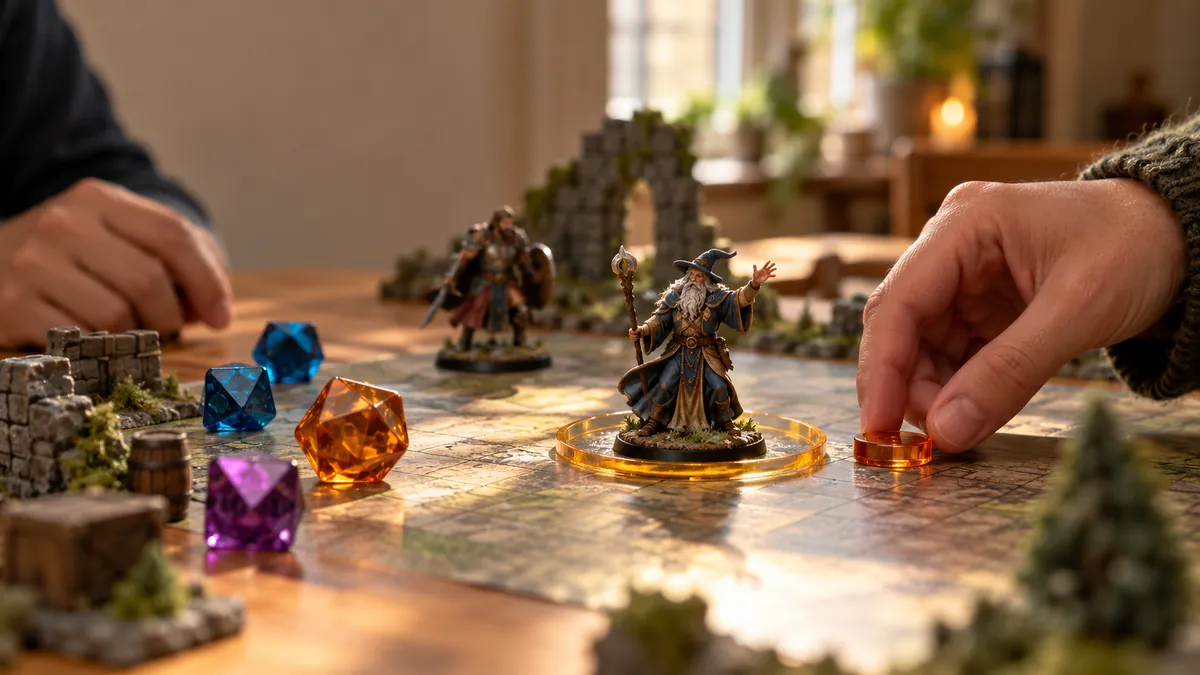
How does concentration work in D&D 5e? Some spells stay active only while the caster focuses on them, and a caster can focus on just one at a time. Taking damage forces a Constitution saving throw, and a failed save ends the spell.
That is the whole idea. The rest of this post covers the exact numbers, the edge cases that come up at the table, and simple ways to keep track.
What does concentration mean in D&D 5e?
A spell that needs concentration says so in its duration line, for example "Concentration, up to 1 minute." Bless, Hold Person, Haste, Fly, Invisibility, Hunter's Mark, and Spirit Guardians all work this way. If you want a refresher on reading that line, our guide to reading a spell description covers it.
Concentration is a limited resource. A caster can hold one spell at a time, and that limit is the main balancing tool for the strongest ongoing effects.
What breaks concentration?
Four things end a concentration spell. The first two are the ones that come up constantly.
- You take damage and fail the save. More on that below.
- You cast another concentration spell. The old spell ends the moment the new one begins.
- You are incapacitated or killed. Dropping to 0 hit points ends it, as does any condition that incapacitates you, such as paralyzed, stunned, or unconscious. Our conditions explainer lists which conditions do that.
- You choose to stop. You can end concentration at any time without spending an action.
The rules also let the DM call for a Constitution save when something other than damage disrupts you, such as a violent wave or a storm. The save is DC 10 in that case. Use it sparingly, only when the fiction clearly says the caster is being knocked around.
How do I calculate the Constitution save DC?
When a concentrating creature takes damage, the DC is the higher of these two numbers:
- 10, or
- Half the damage taken, rounded down.
The maximum DC is 30. The caster rolls a d20 and adds their Constitution modifier, plus their proficiency bonus if they are proficient in Constitution saves. Sorcerers, for instance, start with that proficiency.
Quick examples
- A goblin hits a cleric for 5 damage. Half is 2, so the DC is 10.
- An ogre hits a wizard for 13 damage. Half is 6, so the DC is still 10.
- A dragon's bite deals 28 damage. Half is 14, so the DC is 14.
- A huge hit deals 70 damage. Half is 35, but the cap holds the DC at 30.
Small hits are rarely a threat to a caster with a decent Constitution score. The danger is big single hits and lots of small ones.
Do multiple hits mean multiple saves?
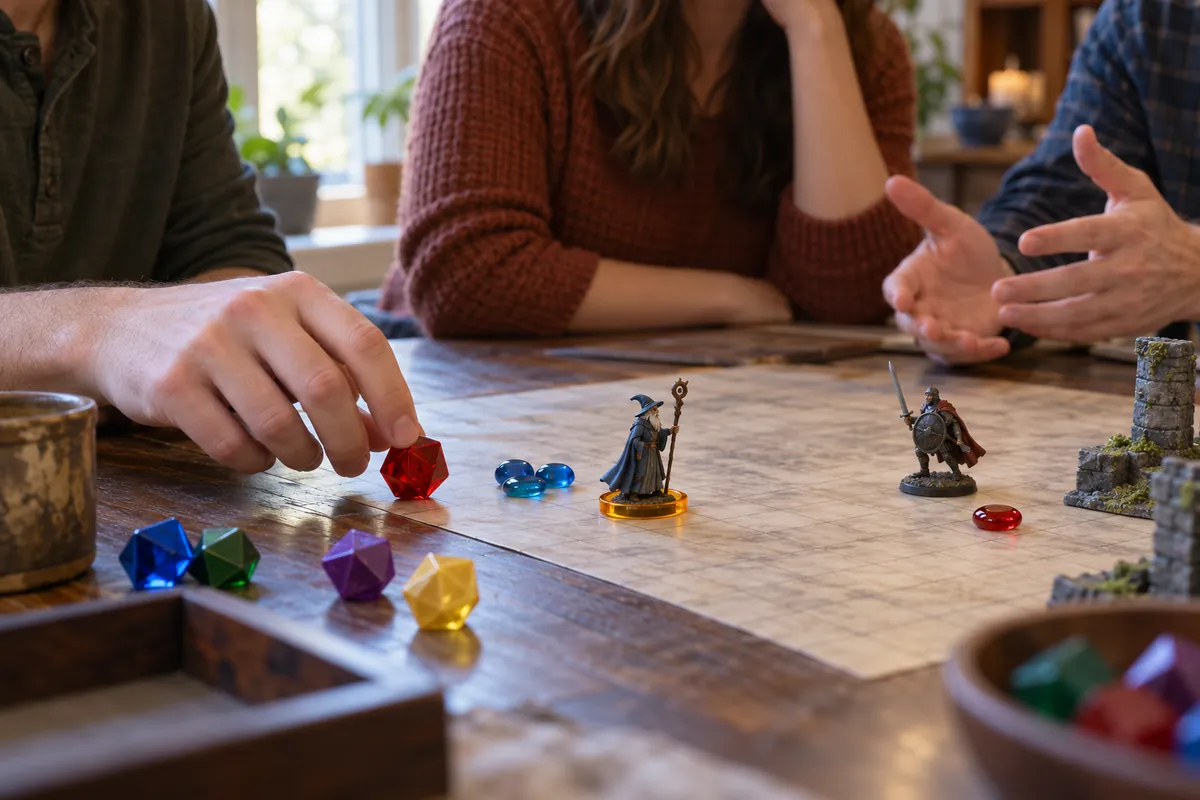
Yes. Each source of damage is its own trigger, so you make a separate save for each one. A monster with three attacks that all hit means three saves, and each DC depends on that individual hit.
This is why swarms and multiattack monsters are so good at breaking concentration. Ten rats each dealing 2 damage give a DC of 10 every time, but ten chances to fail add up.
One caster takes 8 damage from an arrow and 6 from a burning cinder in the same round? That is two saves, both at DC 10. Roll them one at a time and stop checking once the spell ends.
What does not break concentration?
New players often assume more things interrupt a spell than actually do. These are all fine:
- Moving, dashing, or taking the Dodge action
- Making weapon attacks or cantrip attacks
- Casting a spell that does not require concentration
- Speaking, drinking a potion, or using an object
- Being targeted by an attack that misses
If a caster wants to cast a leveled spell while holding Haste on an ally, that is fine as long as the new spell does not need concentration too. Otherwise, the caster has to choose.
How do I track concentration at the table?
Forgetting who is concentrating on what is the most common mistake, and it is easy to fix. Pick one method and use it every session.
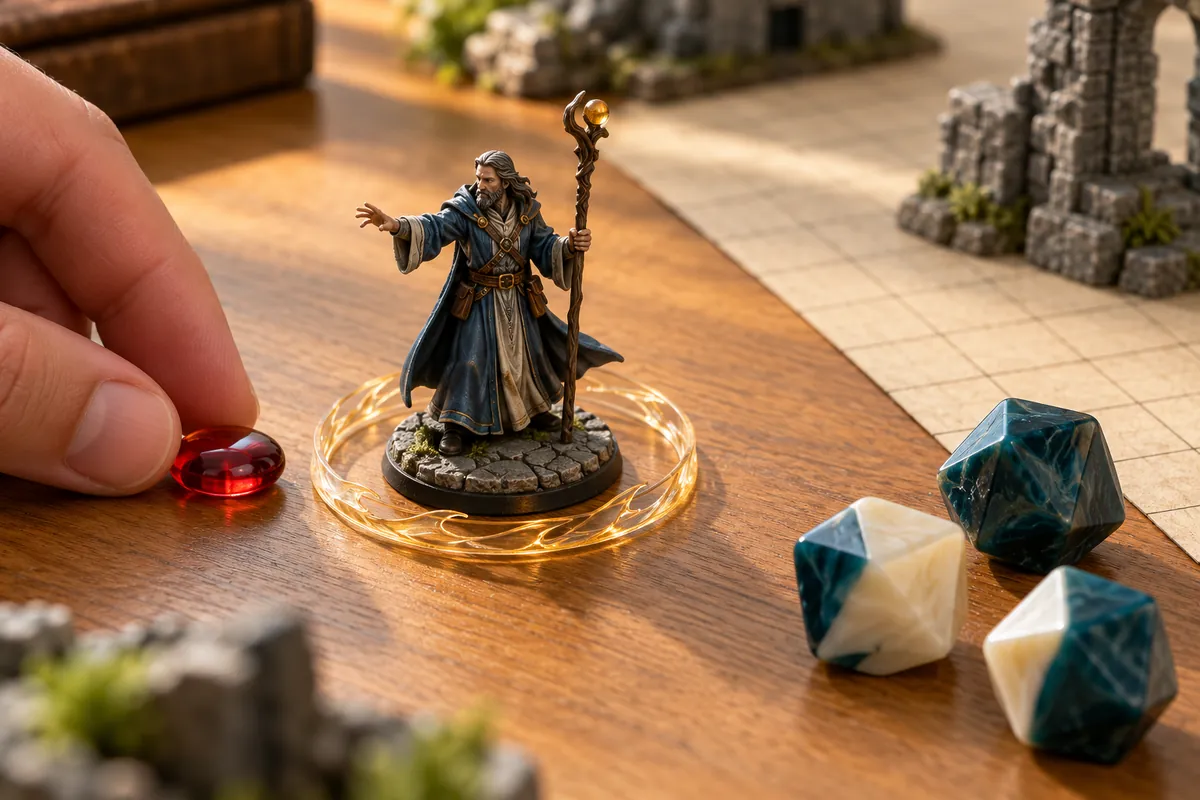
- Put a marker by the miniature. A small token or ring tells everyone at a glance that this caster is holding a spell.
- Write the spell next to the initiative entry. "Aria: Bless (Cleric, Fighter)" takes five seconds and saves arguments later.
- Note the target and the duration. If a spell lasts one minute, that is 10 rounds. Tick them off as you go.
- Announce the save out loud. "That's 14 damage, so DC 10 Constitution save" keeps the table honest and quick.
How should a DM use concentration against players?
Concentration is a fair target, and breaking it is one of the best ways to challenge a strong caster. A few practical habits help:
- Let monsters target casters sometimes. Smart enemies notice who is glowing, chanting, or pointing at the ally who just became invisible.
- Do not make it every attack. If every monster only ever chases the wizard, players stop enjoying the spell. Mix targets.
- Narrate the stakes. "The arrow clips your shoulder, and the light flickers" tells the player to roll before you say anything about numbers.
- Remember the reverse. Enemy casters concentrate too. If the party breaks an evil priest's Hold Person, the paralyzed ally is free right away. Reward players who think of that.
For more ideas on keeping rounds moving while you track all this, see our post on speeding up combat.
How can players protect their concentration?
If you play a caster, a few habits make a big difference:
- Stay out of reach. Position behind allies or cover so enemies have less reason to attack you.
- Raise your Constitution. A higher modifier helps with every save.
- Pick the right spell. Do not concentrate on something minor when a better option is available.
- Know when to drop it. If a spell is no longer helping, end it and cast something stronger.
- Do not overthink it. If the save fails, the spell ends and you move on. It is part of the game.
What is a handy way to mark concentration?
If you are tired of scribbling on scrap paper, a physical marker helps. The DnD Tracker and Condition Sticker Sheet Printable includes cut-out combat tokens for HP, spell slots, death saves, and conditions. A concentration token sits right next to the miniature, so nobody has to ask who is holding what. You can also browse the rest of the Parchment and Dice shop for other table-ready printables.
Whatever you use, the goal is the same: make it obvious who is concentrating, so the rules do the work and the story keeps moving.
Parchment and Dice is not affiliated with Wizards of the Coast. This post references rules from the SRD 5.1.
Frequently asked questions
- Can you concentrate on two spells at once in D&D 5e?
- No. A caster can concentrate on only one spell at a time. If they cast a second concentration spell, the first one ends immediately.
- Does concentration break if I miss a turn or move around?
- No. Moving, attacking, and casting spells that do not require concentration all leave your spell running. The things that end it are taking damage and failing the save, casting another concentration spell, being incapacitated or killed, or choosing to stop.
- Do I make a separate Constitution save for each hit?
- Yes. Each source of damage calls for its own save. A monster that hits you three times in one turn means three separate saves, each with a DC based on that hit's damage.
- What is the DC for a concentration check?
- The DC is 10 or half the damage you took, whichever is higher, up to a maximum of 30. You roll a Constitution saving throw against it.
- concentration
- dnd 5e rules
- spellcasting
- constitution saves
- dm tips
- combat tracking
Related reading
- How to Memorize a Spell List Without Flipping Pages Mid-CombatLearn how to remember spells in dnd without looking them up, using grouping, repetition, and table-ready cards instead of flipping the Player's Handbook.
- How to Read a Spell Description: Casting Time, Range, Duration ExplainedLearn how to read a D&D spell description: what casting time, range, components, and duration actually mean at the table.
- Tracking Death Saves Without Killing the TensionA simple, table-ready way of tracking death saving throws in D&D 5e that keeps the tension alive instead of bogging down your turn.